

Spring bulbs are the gift that keeps on giving. They emerge from the soil when we're craving color, and they bring us some of the most-loved seasonal flowers we use in the shop. To dig into what makes them so great, we're rounding up the most popular spring flowers that grow from bulbs, plus the simple basics for enjoying them now and setting yourself up for more blooms later. Ordering bulb flowers from a trusted florist means you get the freshest stems for bouquets and arrangements, and you also get real guidance on what's in season, what lasts, and what works best in your home and your climate.
A quick note before we dive in: People say "bulbs" as a catch-all term, but spring bloomers include true bulbs, corms, tubers, and rhizomes. The vibe is the same, however. These plants store energy underground and return when conditions are right, which is why they feel so magical. One season you're staring at bare ground, and the next you're seeing fresh blossoms like someone hit the refresh button on the world. And if you buy from a trusted source like a florist, you're getting quality varieties and stems that are handled correctly, which makes your bouquets look better and last longer.
Our Favorite Spring Bulbs
Some are stars in the garden, some are stars in a vase, and some are both. Below are our go-to spring bulb flowers, plus what makes each one special, how they behave in arrangements, and why we reach for them again and again when spring arrives.
Tulips
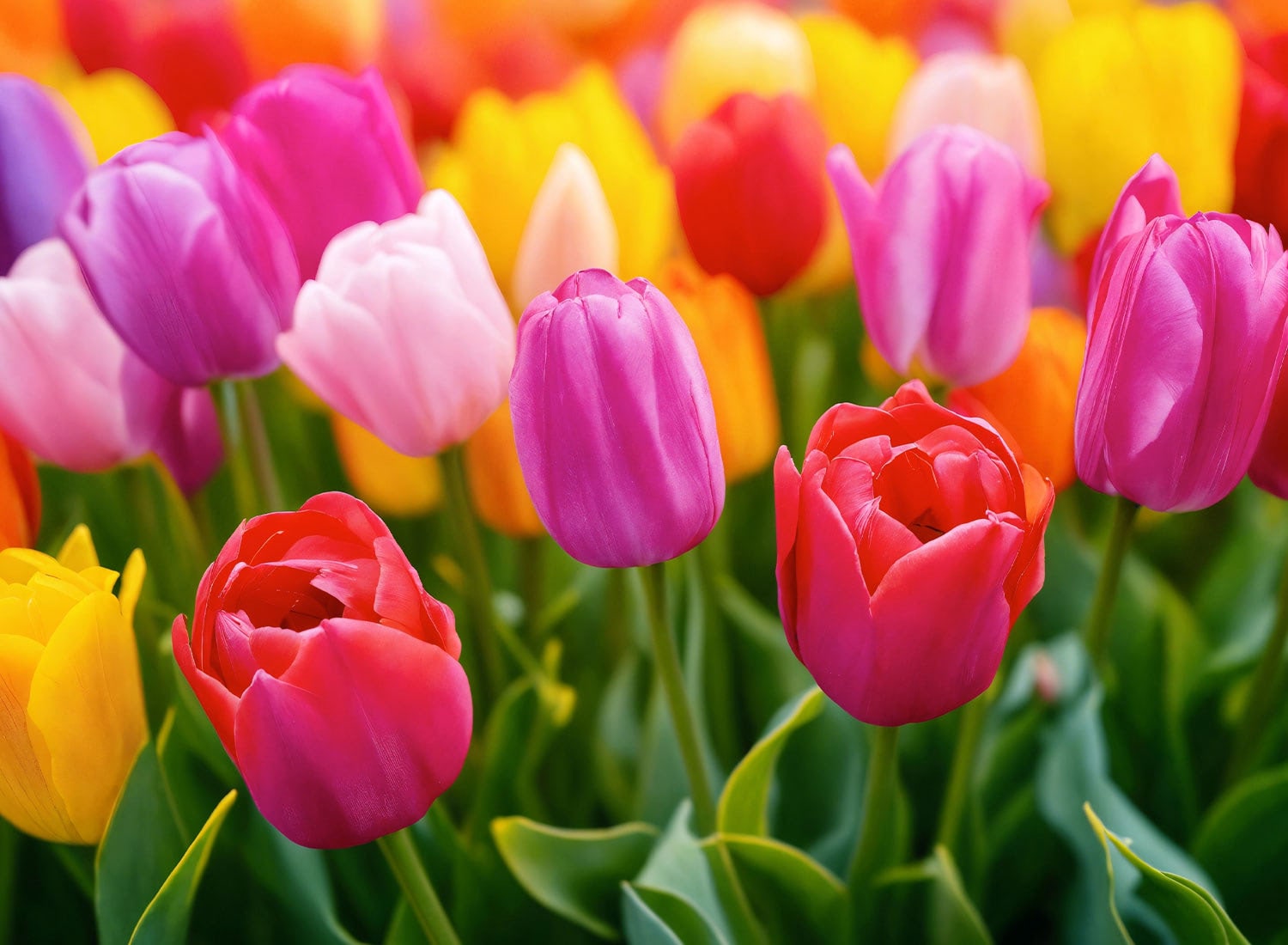
Tulips are the perfect spring mood-lifter, with clean lines and colors that range from bright and bold to modern neutrals. They can look sleek and minimal in a single-variety bunch, or they can play a supporting role in a mixed bouquet where their shape keeps everything feeling fresh and current.
One of the most fun things about tulips is that they keep growing in the vase. You'll see them stretch toward light and sometimes lean into a new shape over a few days, which makes a design feel alive and a little playful. If you want them straighter, keep them cool, use a tall vase, and rotate the arrangement every day so they don't chase the window.
Tulips also come in "personalities." Parrot tulips feel artsy and dramatic with ruffled edges. French tulips have long, elegant stems that look extra luxe. Double tulips look peony-like and full, which is great if you want that fluffy look early in the season. If you're ordering from a florist, tell us what you're looking for and we can steer you toward the right variety.
Daffodils (Narcissus)
Daffodils embody sunshine and are one of the most reliable spring bloomers for gardens year after year. Their golden-yellow classic look proclaims that spring has arrived, but they also come in softer whites, creamy tones, and even blushy varieties depending on what's available.
In bouquets, we love daffodils for their cheerful shape and that little trumpet detail that reads so well in photos. The florist trick is conditioning: daffodils release a sap that can shorten the life of other flowers if they share water right away. That's why we'll often let them drink separately first, then design them into mixed arrangements once they've had a chance to settle. If you're arranging at home, you can do the same.
Daffodils are also a top pick if you want bulbs that come back every year. They're hardy, critter-resistant compared to some other bulbs, and they naturalize well. For gardeners, they're the set it and smile option, and for bouquet lovers, they're the bright pop that makes everything feel seasonal.

Irises
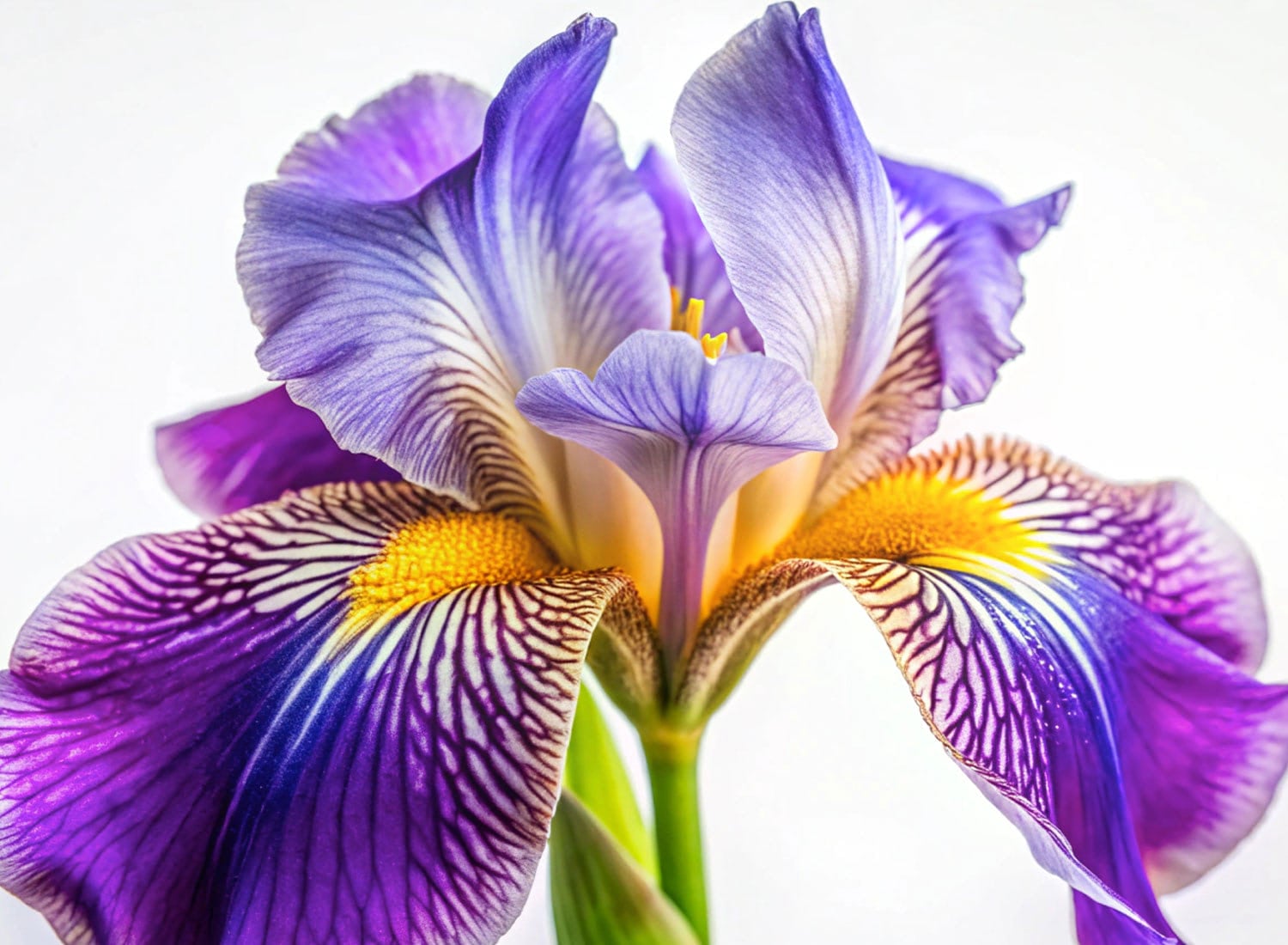
Irises add drama with their unique shape, tall stems, and ruffled blooms that look both classic and fashion-forward. In floral design, irises are amazing for creating height without heaviness, and they bring that architectural, sculptural look that flawlessly elevates a spring arrangement.
Irises open beautifully over time, which makes them a favorite for arrangements that evolve throughout the life of the bouquet. When you first get them, the blooms may be fairly closed. Give them a little time and you'll see those petals unfurl into something bold and dramatic.
Color-wise, irises range from deep purples and blues to whites and yellows, and they pair beautifully with tulips, ranunculus, and even simple greenery. If you want a bouquet that feels vibrant yet sophisticated, irises are a solid move.
Anemones
Anemones are famous for their dark centers and high-contrast look that brings drama to bouquets. They have a modern, editorial look that makes even a simple arrangement feel styled. If you've ever seen their blossoms and been reminded of florals you see in magazines, there's a good chance anemones were involved.
Their petals are delicate and slightly papery, and their stems can be a little bendy, which is part of their charm. In designs, we like using them as focal moments, especially in white-and-black center varieties, because they pull your eye right in. They also come in rich jewel tones and soft pastels, so they can swing romantic or bold depending on your palette.
Anemones are great for mixed bouquets because they add contrast without needing to add a bunch of extra colors. They pair especially well with tulips and ranunculus for a spring look that feels current and intentional.

Alliums
Alliums are floral fireworks. They have round, globe-like blooms that add structure and visual interest without needing a ton of extra flowers. A few allium stems can make an arrangement feel designed because they create movement and shape in a way that standard blossoms don't.
They're also great for those who want something long-lasting. Alliums hold up well in arrangements and can dry beautifully, which means you can enjoy them beyond the fresh-flower stage. In a vase, they have a modern, slightly whimsical look that works in minimalist homes and statement spaces alike.
In gardens, ornamental alliums are a favorite because they pop up after many earlier bulbs have had their moment. They're also great for pollinators. So whether you're planting them or ordering them in a bouquet, they bring an extra-special energy.

Cyclamen
Cyclamen are a go-to for potted spring color, with marbled leaves and blooms that look like tiny butterflies floating above the plant. They're especially lovely as a gift plant because they brighten desks and windowsills, and they feel cheerful without being fussy.
Cyclamen prefer cooler temperatures and bright, indirect light, which makes them great for indoor enjoyment during late winter and early spring. If you keep them too hot and dry, they'll get needy fast. But with consistent watering (and not soaking the crown), they can last and even rebloom with proper care.
These are one of those plants where florist sourcing really matters. A healthy cyclamen from a shop that handles plants well will have stronger foliage, better buds, and a longer bloom window. It's the difference between being alive for a week and thriving for months.

Persian Buttercups (Ranunculus)
Ranunculus are some of spring's most elegant bloomers, packed with layers that make them look extra full and luxe. They're a florist favorite because they give that peony-like impact earlier in the year, and they come in a huge range of colors, from bright citrus to dusty pastels.
They're also bouquet superstars because they last well when they're kept cool and hydrated. The stems can be slightly curved, which we love because it adds movement and a natural look. In arrangements, ranunculus work as focal blooms or as a lush mid-layer that makes everything feel abundant.
Because their petals are thin, they're happiest in cooler rooms away from direct sun and heat vents. Ranunculus can also be a little thirsty, so a taller vase that supports the stems helps them stay upright and keeps the design looking crisp.

Hyacinths
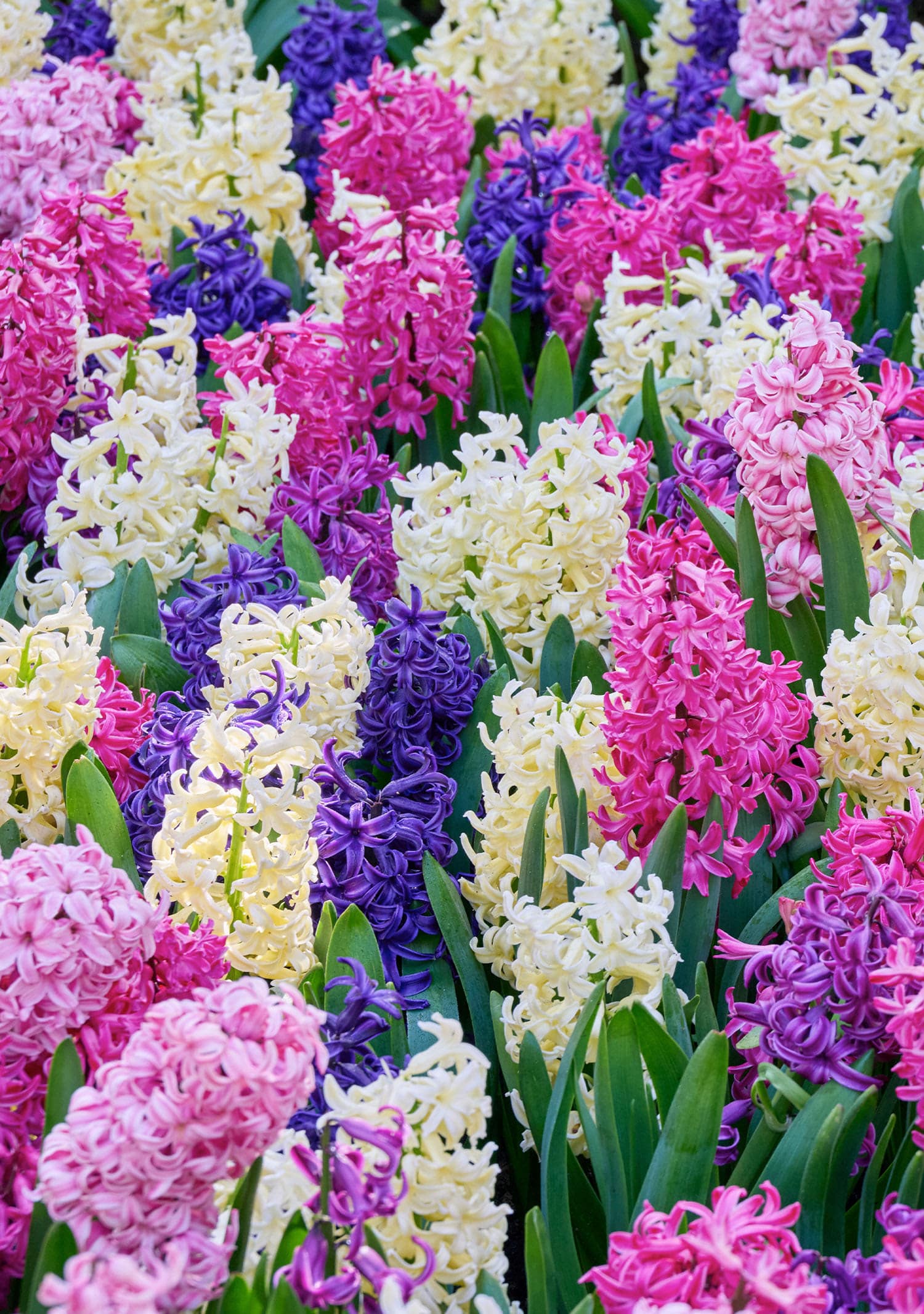
Hyacinths are the fragrance ambassadors of spring, as even one stem can make an entire room smell amazing. If you want your home to feel like spring the moment you walk in, hyacinths are the move. Their clustered blooms add texture, and their colors range from crisp white and pale pink to bold purple and bright blue.
Hyacinths work in bouquets, but they also shine solo in a vase, especially when you want a clean, modern look with a big scent payoff. As potted gifts, they're perfect for entry tables and kitchen counters, and they feel like a little spring preview before the garden wakes up.
Because they're so fragrant, we often use hyacinths strategically in arrangements so they don't overpower everything. If you're sensitive to scent, we can keep fragrance lighter while still giving you a very springy look.

Grape Hyacinths (Muscari)
Grape hyacinths are tiny but mighty, bringing rich blue and purple tones that feel like the start of real spring. They're perfect for tucking into garden beds and along walkways, and they create that sprinkled-color effect that looks natural and effortless.
In floral design, muscari are amazing for adding detail. They're not usually the main event, but they make arrangements feel textured and intentional, especially in smaller bouquets, bud vases, and spring centerpiece sets. Their tight little clusters are like a built-in accent that plays well with everything.
They also naturalize nicely in many climates, so if you plant them once, you can often enjoy them again and again. Truly, grape hyacinths are tiny bulbs with a lot of personality.

Freesia
Freesia are known for their sweet scent and delicate, bell-like blooms that open along a graceful stem. They feel romantic and light, and beautify spring bouquets because they add fragrance without feeling heavy or overpowering.
Their shape is great for movement. As the blooms open along the stem, you get a soft, cascading look that adds flow to an arrangement. Freesia also come in a range of colors, and they mix beautifully with tulips and ranunculus for a classic spring palette.
If you love fragrant flowers but want something a bit more fresh and citrusy, freesia are a great pick. They're the kind of bloom people notice as soon as they walk into the room.

Crocuses
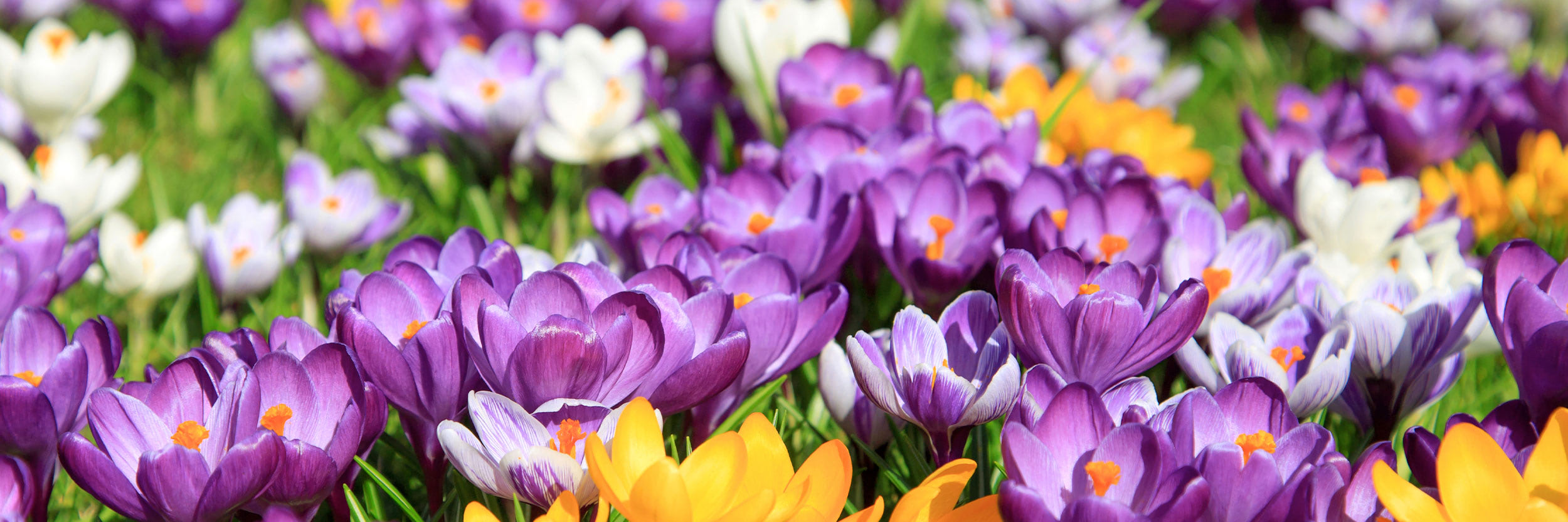
Crocuses are often the first sign that spring is on the way, popping up early when everything else still looks sleepy. They're small, but they make a big impact planted in groups, creating that scattered, confetti-like look across lawns, under trees, and along garden edges.
Crocus blooms are simple and charming, and they come in purples, whites, yellows, and striped varieties. They're also early pollen sources for bees, which makes them a feel-good pick if you're trying to support pollinators in your yard.
In the florist world, crocus are more of a garden star than a bouquet staple, but they're still important because they signal that the whole spring bulb season is officially starting. When you see crocus, you know tulips and daffodils are on deck.

Spanish Bluebells
Spanish bluebells bring that storybook woodland look, with bell-shaped blooms that create a dreamy carpet of color in gardens. They're easy to grow in many areas and look especially pretty planted under trees or along shady borders where they can spread naturally.
Their arching stems and clustered bells feel romantic and relaxed, which is why they're often associated with cottage gardens and woodland landscapes. If you love a natural, slightly wild look in your yard, Spanish bluebells are a great choice.
In arrangements, bluebell vibes are more inspiration than main ingredient, but the look they create in the landscape influences spring design trends in a big way. When clients want that fresh-from-the-garden feel, woodland blooms like these are part of the vision.

Snowdrops
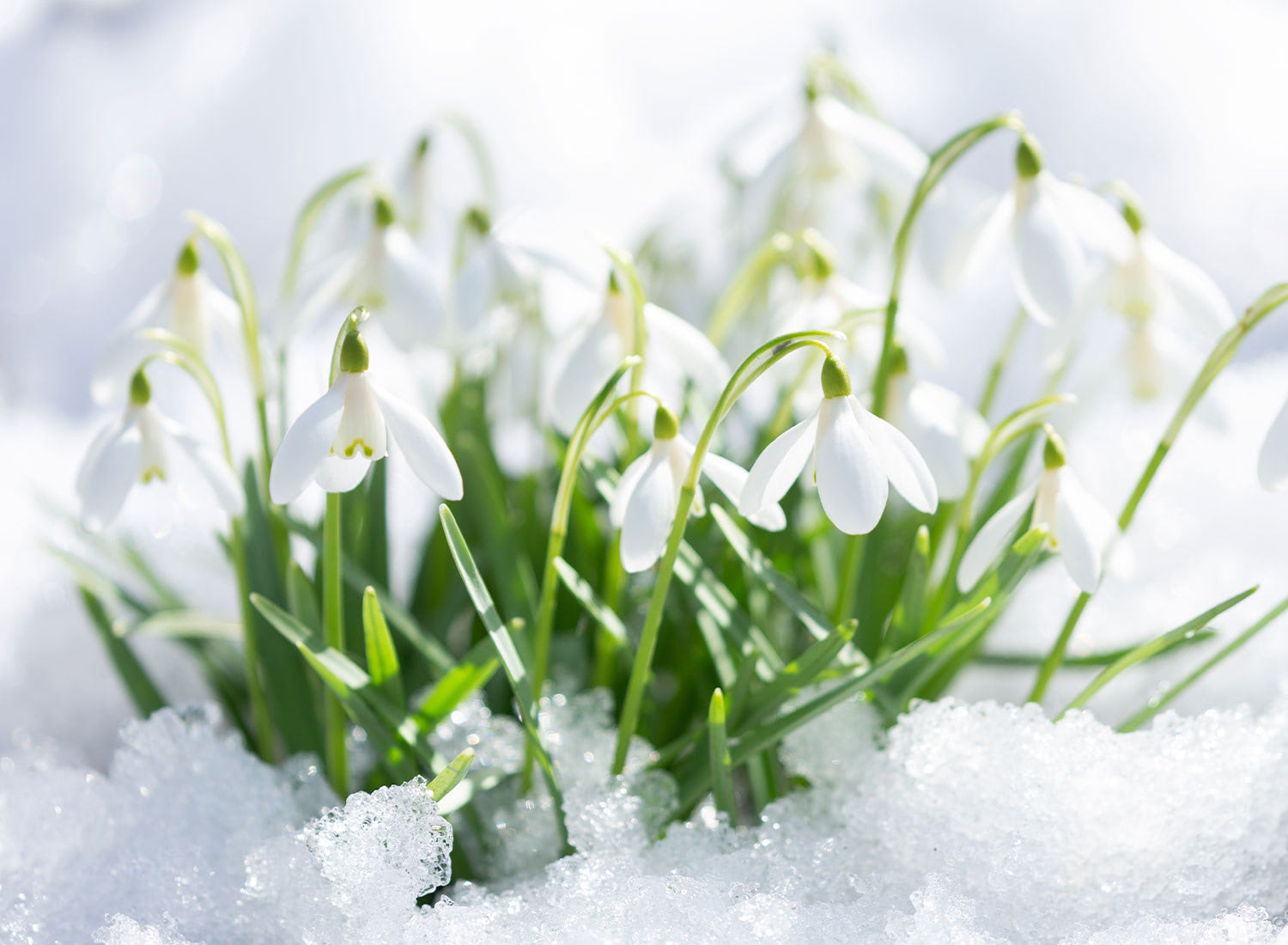
Snowdrops are the early birds of flowers, blooming in late winter to early spring and giving us hope that warmer days are coming. They're delicate and tiny, but they're tough. Snowdrops often push through cold soil and show up when we're still wearing heavy coats.
They're also a classic "naturalizing" bulb, meaning they can spread over time and return year after year in the right spot. In gardens, snowdrops look especially pretty under deciduous trees or in woodland-style plantings, where they get winter light and spring moisture.
Snowdrops aren't usually a featured cut flower in most bouquets, but they're beloved for what they represent: the very first spark of spring. If you're building a bulb garden that blooms in waves, snowdrops are a perfect opener.
When Do Bulb Flowers Bloom?
Most spring bulbs bloom from late winter through late spring, depending on your climate. Snowdrops and crocus often appear first, sometimes while winter is still holding on tightly. Then daffodils and hyacinths jump in with bright color and fragrance. Tulips usually follow in a big wave, with early, midseason, and late varieties stretching the show. Alliums often arrive later in spring, adding height and structure just when you think the season is over.
If you want a longer bloom season in your yard, the best strategy is planting a mix of early, mid, and late bloomers. In bouquets, bloom timing affects what we can source locally versus what we bring in from trusted growers. When you shop for spring flowers with a florist, you get what's at its best right now, which is always the goal.
When to Plant Spring Bulbs?
The general rule is to plant spring-blooming bulbs in the fall. In many regions, that's September through November, aiming for a window before the ground freezes, when temperatures are cooler but the soil is still workable. Think of it as setting up a surprise for your future self. You do a little work in fall, then spring shows up with a reward.
That leads right into what flower bulbs to plant in the fall: tulips, daffodils, hyacinths, crocus, snowdrops, and alliums are classic choices. If you're shopping bulbs through a florist, you'll usually have access to varieties chosen for quality and performance, which matters more than people think. Larger, healthier bulbs typically produce stronger blooms, and good sourcing reduces the risk of disease or disappointing results.
Which Flower Bulbs Come Back Every Year?
Daffodils, crocus, snowdrops, and many alliums are dependable returners in lots of climates. Tulips can come back too, but some varieties are more reliable perennials than others. If you want tulips to rebloom, look for varieties known for perennializing, and give them good drainage and full sun. And if you're not sure what works best where you live, ask us. We love helping you choose bulbs that match your goals, no matter what they are.
The Best Bulbs for Bouquets
Tulips are the headline act because they're iconic, versatile, and available in so many colors and styles. We also love irises for shape, and alliums for that modern, sculptural look. Ranunculus are another top-tier bouquet choice, especially when you want a lush look with a longer vase life.
Bulb flowers are especially fun in arrangements because they bring movement and personality. Tulips continue to grow, iris open gradually, and ranunculus shift from tight to fluffy. That changing shape is part of the experience, and it's one reason people fall in love with spring flowers every year..
How Do You Care For Bulbs Between Seasons?
If you're planting bulbs outdoors, the easiest method is to let the foliage die back naturally after blooming. Those green leaves are recharging the bulb for next year, so we don't want to cut them too early. Once the leaves yellow and fade, you can tidy them up and let the plant rest.
If you're working with potted bulbs, keep them in bright light while the foliage is green, water when the soil is dry to the touch, and avoid leaving them soggy. After blooming, many potted bulbs can be transitioned outdoors once temperatures allow. If you want to save bulbs for replanting, let the foliage finish, then store bulbs cool and dry until fall planting time, depending on the type.
If you're ever unsure what's best for your specific bulb variety and local climate, that's where we come in. We can help you pick the right blooms for right now, plus guide you toward bulbs that make sense to keep and replant. Bulb plants really are the gift that keeps on giving, and we love helping you get more seasons of joy out of them.
Spring bulbs make it easy to celebrate the season now and set yourself up for future blooms later. Order a fresh spring arrangement from your florist for instant color, and consider saving and replanting bulbs when it makes sense for your variety and climate. With a little planning in the fall, your spring can come back brighter every year.
